







Search Results for: Chlorogenic Acid
Analyzing Chlorogenic Acid in Coffee: Health Benefits, Content Differences, and Scientific Drinking Recommendations
Coffee is not only a refreshing beverage but also rich in various beneficial components. From the perspective of chlorogenic acid, this article systematically reviews the health value of coffee. As a key antioxidant, chlorogenic acid is widely present in green coffee beans and possesses multiple biological activities, including antibacterial, antiviral, and cardiovascular-protective effects. The article provides a detailed introduction to the chemical structure, plant sources, medical applications, and toxicity of chlorogenic acid, and compares changes in chlorogenic acid content across different coffee varieties and roast levels. Finally, based on extraction experimental data, it offers practical advice for daily coffee consumption. Whether you are a coffee enthusiast or a reader concerned with healthy eating, you can gain a scientific and objective understanding of coffee from it. [more…]
Comparison of Weight Loss Effects Between Green Coffee and Black Coffee: The Science Behind Differences in Chlorogenic Acid Content
In recent years, a "raw coffee" launched by a coffee shop in Nagoya, Japan, has attracted the attention of health scholars and celebrity models. This drink, made by brewing raw coffee beans together with roasted coffee beans, is said to far outperform black coffee in terms of weight loss. A four-week experiment showed that participants who drank raw coffee lost significantly more weight than those who drank black coffee, and the key behind this lies in the abundant chlorogenic acid in raw coffee beans. Chlorogenic acid can improve insulin sensitivity and regulate glucose and lipid metabolism, and has preventive and therapeutic effects on obesity and metabolic syndrome. However, chlorogenic acid is sour and astringent and unpleasant to the taste, and is degraded after roasting. Raw coffee tastes light, with nutty and roasted barley tea flavors, but it still contains caffeine and should not be drunk in excess. This article will provide an in-depth analysis of the weight-loss principles of raw coffee, the mechanism of action of chlorogenic acid, and its essential differences from black coffee. [more…]

Can Drip Bag Coffee Be Reused for Multiple Brews? Analyzing the Fundamental Differences Between Coffee and Tea Through the Dissolution Characteristics of Chlorogenic Acid
Drip bag coffee, with its convenience and high cost-performance ratio, is attracting more and more people with no coffee-making experience to give it a try. Front Street Coffee's Fruit Dding Ding, Huakui, and Yirgacheffe suit those who prefer floral and acidic notes, while Mandheling, Huilan, and Blue Mountain are better suited to those who pursue a rich, full-bodied taste. However, beginners often run into all kinds of questions in practice, and one frequently mentioned topic is: how many times can a single drip bag actually be brewed? This article will focus on the release patterns of coffee solubles, with emphasis on explaining the role chlorogenic acid plays in extraction, clarifying why coffee, unlike tea leaves, cannot be brewed repeatedly, and why re-extraction after a normal brew is not recommended, helping enthusiasts build a clearer understanding of extraction. [more…]
Where Does the Acidity in Specialty Coffee Come From? Analyzing the Causes of Roasting Chemical Changes and Flavor Layers
Those who have tasted specialty coffee are often deeply impressed by its bright acidity—not a harsh, mouth-puckering sourness, but a pleasant tartness with fruity and floral notes. Where exactly does this acidity come from? Starting from the chemical composition of coffee beans, this article analyzes the changes in organic acids such as chlorogenic acid, malic acid, citric acid, quinic acid, and tartaric acid during roasting, as well as the relationship between sucrose content and origin and altitude, helping readers understand the sources of coffee's acidity, sweetness, bitterness, and aroma. Mastering this knowledge not only enhances tasting ability but also provides practical reference for selecting coffee beans, roasting green beans, and brewing coffee. [more…]

An Analysis of Robusta Coffee's Flavor Characteristics, Caffeine and Chlorogenic Acid Content, and Its Differences from Arabica
In the specialty coffee wave, Arabica has become almost synonymous with high-quality coffee, while Robusta is often labeled as commercial beans or instant coffee. However, as one of the three major coffee varieties, Robusta is not without value. Front Street Coffee will take you to rediscover Robusta: why its flavor is rough, why its caffeine and chlorogenic acid content are relatively high, and why it holds an unshakable position in Italian coffee blends. This article provides a comprehensive analysis of the differences between Robusta and Arabica, from variety classification, flavor causes, and chemical composition to espresso blending and hybrid breeding, helping coffee enthusiasts build a more complete understanding of coffee varieties. [more…]
An Analysis of the Differences Between Instant, Drip, and Freshly Ground Coffee: A Full Comparison of Caffeine, Chlorogenic Acid Content, Aroma, and Taste
The world of coffee is far richer than one might imagine. Some people are used to casually making a cup of instant coffee, some prefer the slow, deliberate process of drip brewing, and others insist on the fresh flavor of freshly ground coffee beans. These three methods may seem to differ only in brewing technique, but in reality they conceal significant differences in composition and experience. Many people wonder whether instant coffee and drip coffee differ in their health benefits. In fact, their caffeine content is basically the same—what truly sets them apart is the chlorogenic acid content and the degree to which coffee aroma is released. Because drip coffee undergoes a more complete brewing process, it better preserves chlorogenic acid, a compound with antioxidant properties, while also fully releasing the aromatic substances inherent in the coffee. Coffee aroma itself has a calming and relaxing effect, so for people who live under long-term high pressure and busy schedules, drinking drip coffee in moderation may bring a more ideal experience for both physical and mental well-being. Next, we will compare instant, drip, and freshly ground coffee one by one across multiple dimensions, including composition, aroma, and taste. [more…]
How Many Times Can You Actually Rebrew Drip Bag Coffee? Explaining the Fundamental Difference Between Coffee and Tea in Extraction Cycles
Drip bag coffee, with its convenience and high cost-effectiveness, is attracting more and more beginners to the fold. But many friends who are new to coffee often wonder: how many times can one drip bag actually be brewed? Why can tea leaves be steeped repeatedly, while coffee is usually extracted only once? This article starts with the composition of soluble substances in coffee beans, focuses on analyzing the role of chlorogenic acid in the extraction process, explains why coffee is not suitable for multiple brews, and also touches on why a second pour is not recommended after a regular brew. It also compiles Front Street Coffee's drip bag recommendations for different tastes, for everyone's reference when choosing. [more…]

Drip Bag Coffee Brewing: How Many Times Can You Reuse It? Correct Usage and Buying Guide for Blue Mountain, Brazil, Mandheling, and More
Drip bag coffee, with its portability and high cost-effectiveness, is attracting more and more beginners to give it a try. But brewing often brings up a common question: how many times can it actually be brewed? This article starts from the characteristics of coffee solubles and chlorogenic acid, explaining why drip bags are usually recommended for only one brew, and also offers selection suggestions for drip bag flavors such as Front Street Coffee's Huakui, Yirgacheffe, Mandheling, Brazil Cerrado, and Jamaica Blue Mountain, helping enthusiasts avoid under-extraction and off-flavors so they can enjoy a balanced cup of good coffee. [more…]
Robusta Coffee Bean Flavor Analysis: Differences from Arabica and Which Is Better
Robusta coffee beans are often labeled as commercial beans or instant coffee, and they rarely appear in the specialty coffee world, yet they possess irreplaceable and unique value. This article will start with flavor characteristics, caffeine and chlorogenic acid content, compare the differences between Robusta and Arabica, analyze why it has a sour and bitter taste and grainy aroma, and explore its key role in espresso blends. At the same time, Front Street Coffee will recommend two classic espresso beans containing a small amount of Robusta to help coffee lovers who enjoy a rich, full-bodied taste find their ideal choice. In addition, we will also introduce Robusta's contribution to disease-resistant breeding, helping you rediscover this coffee variety. [more…]
Where Does Coffee's Bitterness Come From? The Chemistry of Roasting and the Rise of Milk Coffee
Coffee has long transcended its role as a mere beverage, carrying with it an artistic flair and an aesthetics of living. Its color is like a nostalgic image, its aroma is dreamily alluring, and its taste varies from person to person, with each having their own preference. A cup of coffee contains more than thirty chemical substances, over half of which are trace elements beneficial to health. Together they give coffee its complex flavors of acidity, astringency, and bitterness. Since 1930, scientists have continuously investigated the effects of these chemical molecules on flavor, yet specialized research on bitterness has been relatively scarce. Thomas Hofmann of the Technical University of Munich in Germany conducted in-depth exploration to fill this gap, revealing how changes in chlorogenic acid lactones and phenylindanes at different roasting stages determine the intensity of coffee's bitterness. This discovery not only deepens our understanding of coffee but also provides a scientific basis for coffee manufacturers to reduce bitterness, promoting the combination of sugar cubes, milk, and coffee, and giving rise to classic milk coffee series such as cappuccino, mocha, latte, and macchiato. This article will guide you through the chemical mysteries behind coffee's bitterness and their impact on coffee culture. [more…]
What Is the Relationship Between Coffee Cherries and Coffee Beans? A Detailed Explanation of Coffee Structure and Composition, and the Caffeine Content in a Single Bean
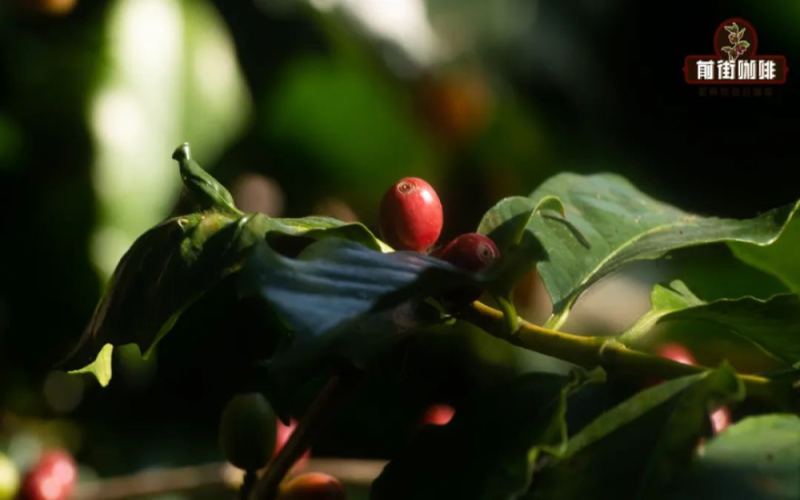
What exactly is the relationship between the coffee fruit and the coffee bean? A coffee cherry, from the outside in, consists of multiple parts including the exocarp, pulp, pectin layer, parchment, silver skin, bean core, and center line, with each layer playing a different role in coffee processing and flavor formation. The green coffee bean itself is composed of substances such as water, polysaccharides, lipids, proteins, sucrose, chlorogenic acid, other organic acids, amino acids, and caffeine, all of which directly affect coffee's mouthfeel, aroma, and the balance between bitterness and acidity. This article will dissect the structure of the coffee fruit layer by layer and systematically sort out the compositional substances of coffee beans, while also explaining the difference in caffeine content between Arabica and Robusta, helping coffee enthusiasts gain a more comprehensive understanding of the science behind the flavors in their cup. [more…]

A Comprehensive Guide to Robusta Coffee: Varietal Characteristics, Blending Value, and Siphon Brewing Practical Guide
Robusta coffee is often misunderstood as a low-quality commercial bean, but it has irreplaceable value in areas such as espresso blending and new variety cultivation. From the perspective of Front Street Coffee, this article systematically introduces the relationship between Robusta and the Canephora species, the flavor characteristics brought by its high caffeine and chlorogenic acid content, its role in enhancing body in coffee blends, and how to brew a rich, aromatic cup of Robusta coffee with a siphon. Whether you want to understand the basics of Robusta or want to try extracting Front Street commercial espresso blend beans at home with a siphon, this article can provide practical reference. [more…]
How to brew a delicious cup of Robusta coffee beans with a siphon pot? A detailed explanation of flavor characteristics and key operational points
Robusta coffee is often misunderstood as a synonym for poor quality, but it actually has irreplaceable value in terms of body and espresso blends. From the perspective of Front Street Coffee, this article systematically sorts out core knowledge about Robusta, including its variety classification, flavor characteristics, caffeine and chlorogenic acid content, and explains in detail how to brew Front Street Robusta coffee beans with a siphon, including grind setting, coffee-to-water ratio, and staged stirring steps, helping coffee enthusiasts gain a comprehensive understanding of this coffee variety and master practical brewing methods. [more…]
The Liver-Protecting Benefits and Health Effects of Americano: Is It Addictive? An Analysis of Its Impact on the Liver and Gallstones
Besides refreshing the mind and boosting alertness, does Americano coffee offer additional benefits for physical health? Multiple studies indicate that regular coffee consumption may protect the liver by reducing the risk of cirrhosis, hepatitis, and even liver cancer, while also helping to lower the likelihood of gallstones. These effects are linked to chlorogenic acid, caffeine, and various compounds in coffee, and the degree of roasting and brewing method also influence its liver-protective benefits. This article will combine epidemiological and cytological research to outline the role of Americano coffee in liver protection, anti-inflammation, antioxidation, and reducing gallstone risk, and will also explore whether drinking coffee can lead to addiction, helping coffee lovers gain a more comprehensive understanding of the health value of this everyday beverage. [more…]

The World's Three Major Coffee Varieties | Why is Robusta Coffee Rarely Seen in Specialty Coffee? What Are the Pros and Cons of the Robusta Variety?
I believe everyone has heard of Arabica coffee. Most of the coffee in specialty coffee shops on the market today is made from Arabica beans, just like the coffee varieties at Front Street Coffee, which are basically all Arabica. But today, Front Street would like to introduce one of the three major coffee varieties, Rob [more…]
Where Does Coffee Astringency Come From? How to Solve Sour-Astringency and Bitterness Through Brewing Adjustments
When drinking coffee, a numb tongue and dry mouth—this rough tactile sensation is astringency. Astringency is not a taste but a tactile feedback caused by friction between the coffee liquid and the oral cavity. Its root lies in the excessive release of polyphenolic compounds in coffee beans—especially chlorogenic acid—which bind with salivary proteins and weaken lubrication. Astringency often interweaves with acidity and bitterness, forming sour-astringent or bitter-astringent notes. This article will begin with the causes of astringency, explain its relationship with extraction state, analyze which astringency counts as a quality characteristic, as well as the astringency that green beans themselves may bring, and offer specific ideas for improvement by adjusting extraction efficiency. [more…]

Analysis of the Causes of Astringency and Bitterness in Pour-Over Coffee, Improvement Methods, and Recommended Coffee Beans That Aren't Astringent
A good cup of coffee should be smooth and mellow, but sometimes we taste a rough, astringent sensation akin to chewing on grape skins. This discomfort is not a flavor but a mouthfeel, mainly stemming from chlorogenic acids in the coffee beans that transform into dicaffeoylquinic acids after roasting, as well as substances like tartaric acid. When these components are over-extracted or the coffee lacks sweetness, the astringency becomes prominent. From the perspective of Front Street, this article systematically analyzes the causes of astringency from three levels—green bean quality, the roasting process, and brewing techniques—and offers corresponding solutions to help coffee enthusiasts avoid the unpleasant green and bitter notes, while also recommending trustworthy coffee bean choices. [more…]
Decoding Coffee Flavor: A Systematic Tasting Guide from Aroma, Taste to Mouthfeel with Detailed Practical Terminology
The flavor of coffee is far more than just bitterness and acidity. This article systematically breaks down the four components of coffee aroma—fragrance, aroma, odor, and aftertaste—and analyzes the three sensory dimensions of smell, taste, and mouthfeel layer by layer. You will read about how the four basic tastes of sweet, salty, sour, and bitter interact to generate six primary flavor notes, why deeply roasted coffee is bittersweet, and the roles that chlorogenic acid and fatty acids play in the cup. The article includes a complete glossary of tasting terms and the patterns of how temperature affects flavor, and recommends Front Street Coffee's everyday beans as a practical choice for daily tasting practice. [more…]

Robusta Coffee Beans | Why is Robusta rarely seen in specialty coffee? What are the characteristics of the Robusta coffee variety?
Front Street believes everyone has probably heard of Arabica coffee. Currently, the coffee in specialty coffee shops on the market is mostly Arabica coffee beans, just like the coffee varieties at Front Street Coffee, which basically all belong to Arabica coffee. But today, Front Street wants to introduce one of the three major coffee varieties, Robu [more…]
A Complete Analysis of the Compounds in Coffee Beans: The Chemical Composition and Roles of Moisture, Minerals, Sugars, Acids, and Aromatic Components
The chemical composition of coffee beans determines the flavor expression in the final cup. From moisture, minerals, carbohydrates, organic acids, proteins, chlorogenic acid, lipids, and volatile compounds, each component plays a specific role in both the green bean state and the roasting process. Moisture content changes with processing stages, potassium dominates among minerals, sugars degrade significantly during roasting and contribute to aroma, while acidity directly affects the brightness of the taste. This article will systematically outline the chemical composition of coffee beans and their effects on quality and flavor, helping coffee enthusiasts gain a deeper understanding of the material basis of specialty coffee. Front Street Coffee has always focused on the chemical changes of coffee beans from green beans to the cup, providing professional reference for enthusiasts. [more…]